

The Science
of Extracellular Vesicles (EVs)
EVs — Nature's Molecular Messenger
-
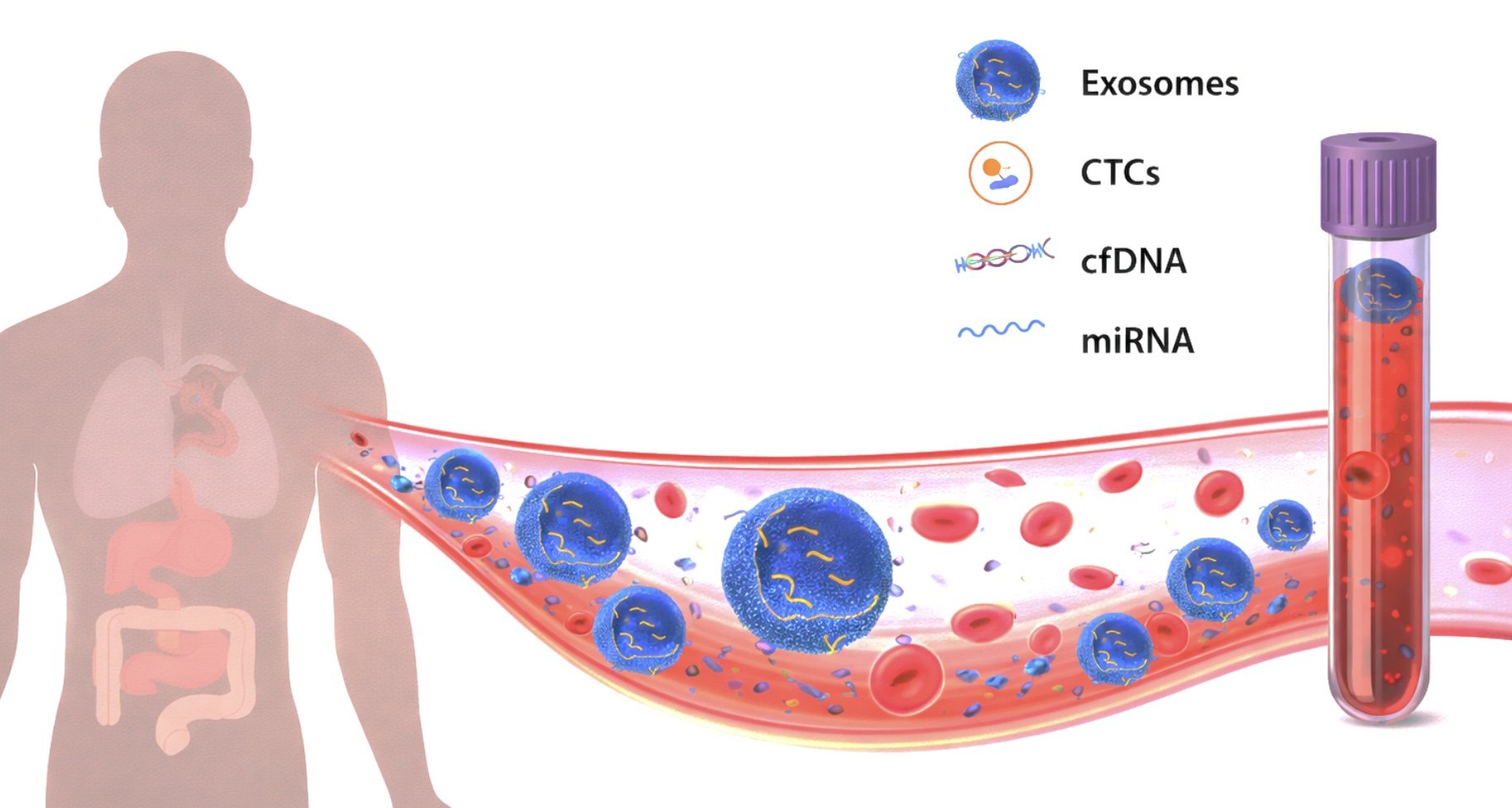
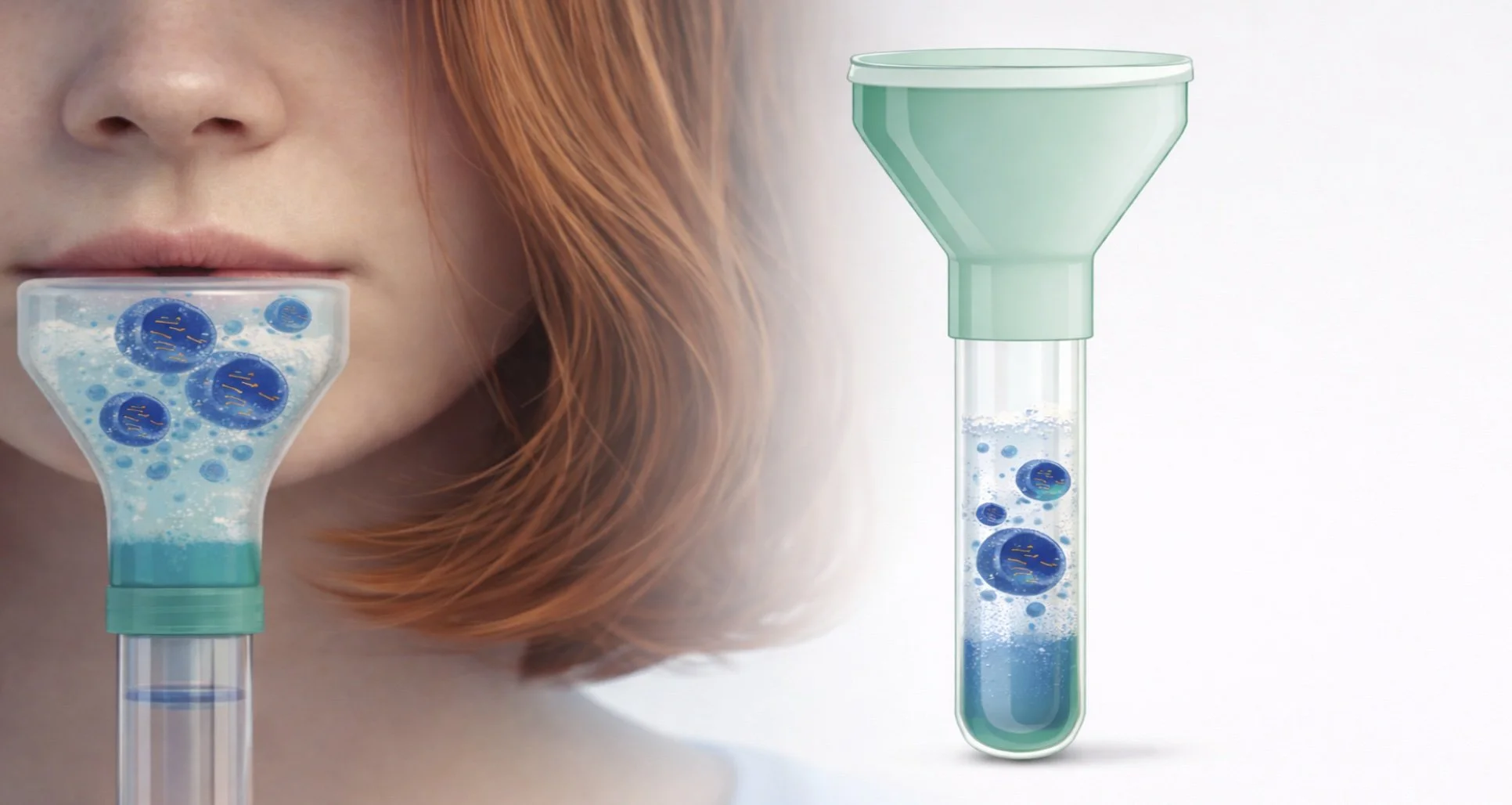
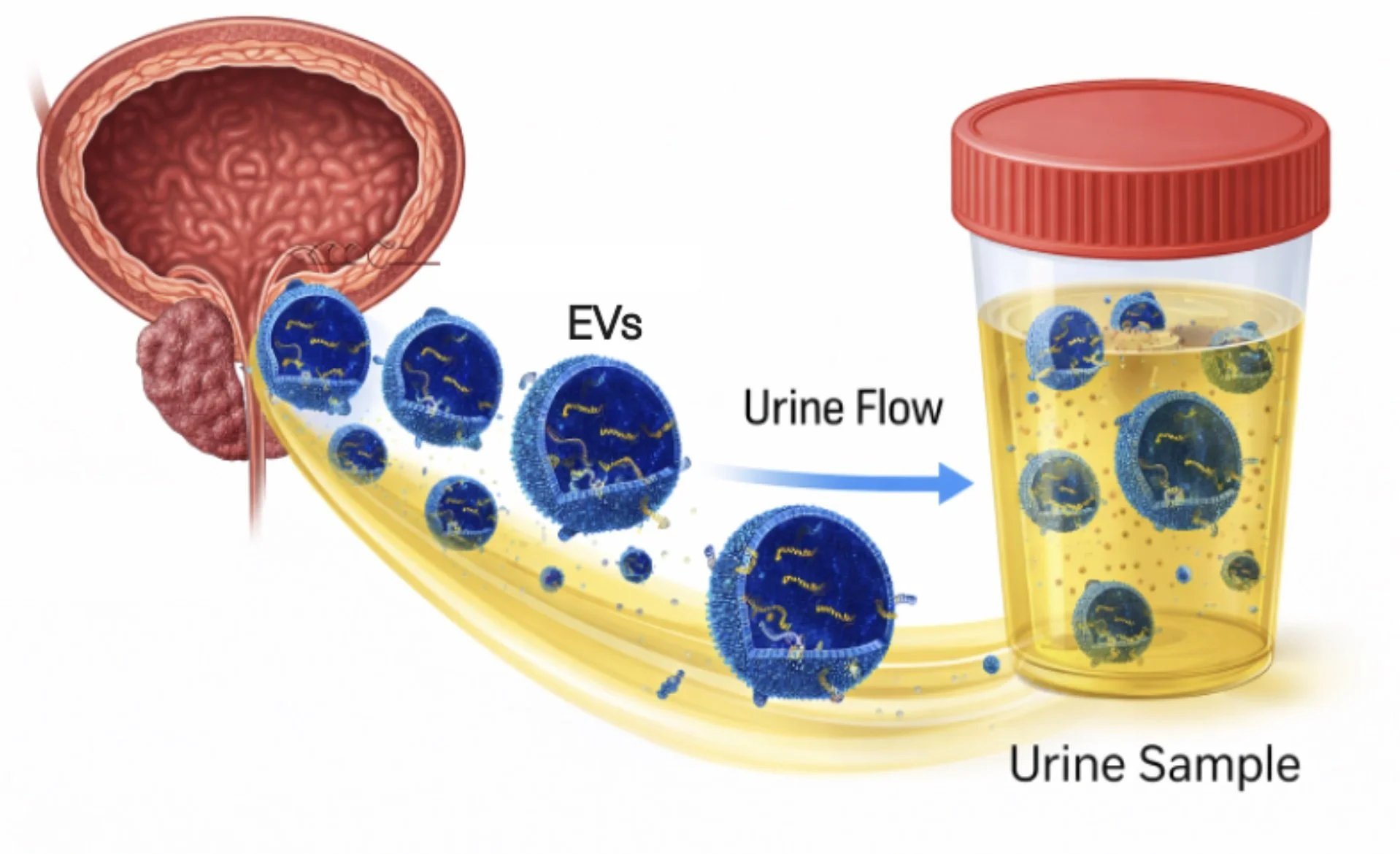
Present in all biofluids
Blood, urine, saliva, and CSF enable simple, minimally invasive sampling — including at-home collection — while capturing real-time molecular signals from across the body.
-
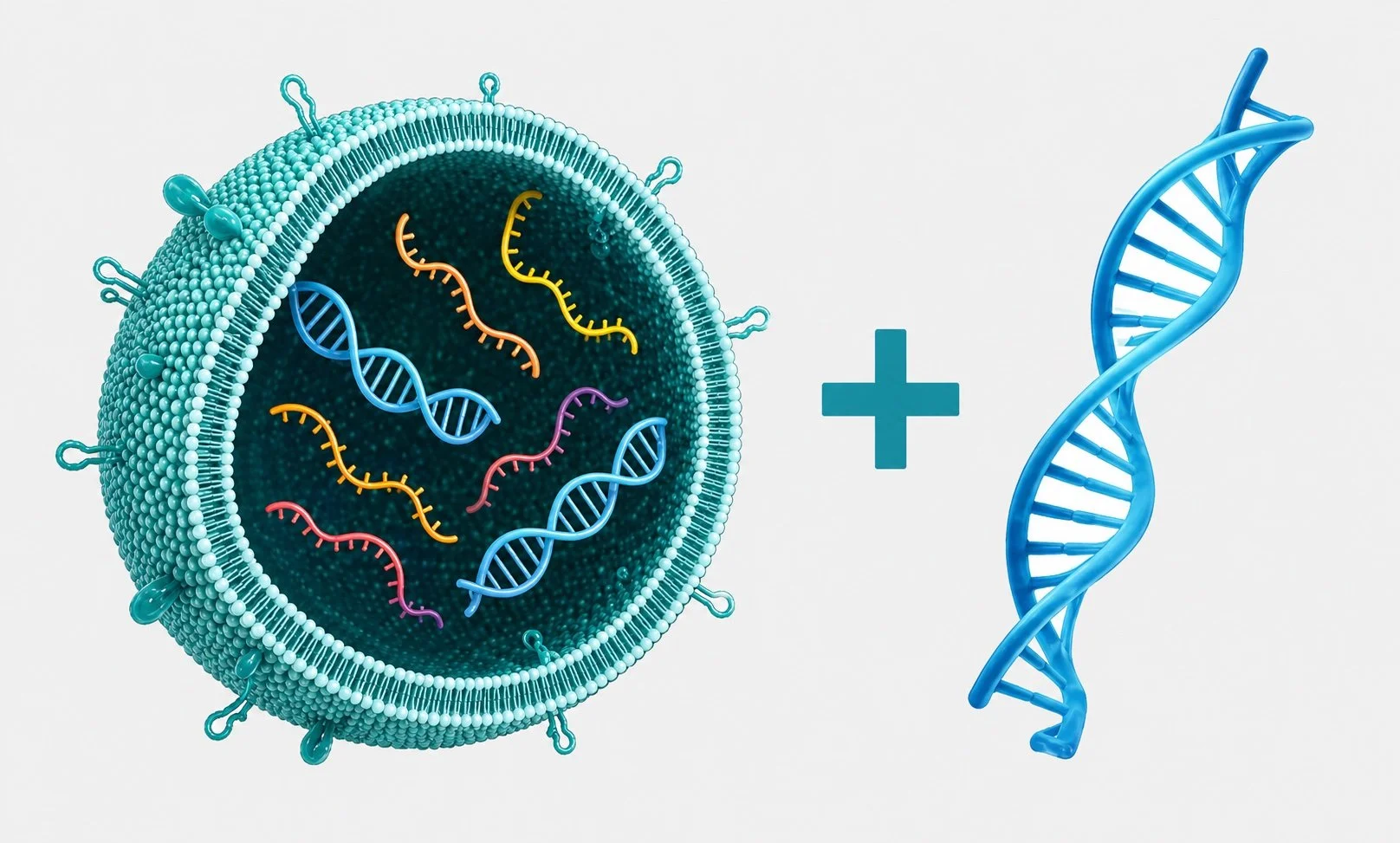
Carry multi-omic cargo
RNA transcriptome, DNA, and protein that mirror the molecular state of their cell of origin. One sample → RNA expression, splicing variants, mutations, fusions — simultaneously.
-
Stable & longitudinal
EVs protect RNA from degradation. Stable in biobank samples >25 years. Ideal for serial monitoring, treatment response tracking, and active surveillance.
-
A virtual tissue biopsy
Non-invasive sample collection providing molecular analysis that previously required tissue biopsy.
-
Blood
-
Saliva
-
Urine
-
Plasma
Provides a broad view of systemic biological processes and is widely used for liquid biopsy applications including cancer detection, treatment monitoring, and disease progression
-
Saliva collection
Offers a non-invasive window into oral and systemic health, with emerging applications in autoimmune disease, inflammation, and cancer biomarker discovery
-
Urine collection
Reflects biological processes within the urogenital tract and is particularly valuable for monitoring kidney, bladder, and prostate diseases
From Single Markers to Scalable Multi-Omic Biology
-
The Challenge
• Incomplete biology: Current liquid biopsy technologies based on cfDNA (cell death signal) misses active disease processes
• Early detection gap: Existing approaches lack sensitivity in early-stage disease
• Limited data output: qPCR delivers narrow, pre-selected signals only
• Not scalable: EV workflows are manual, variable, and hard to standardize
-
The Breakthrough
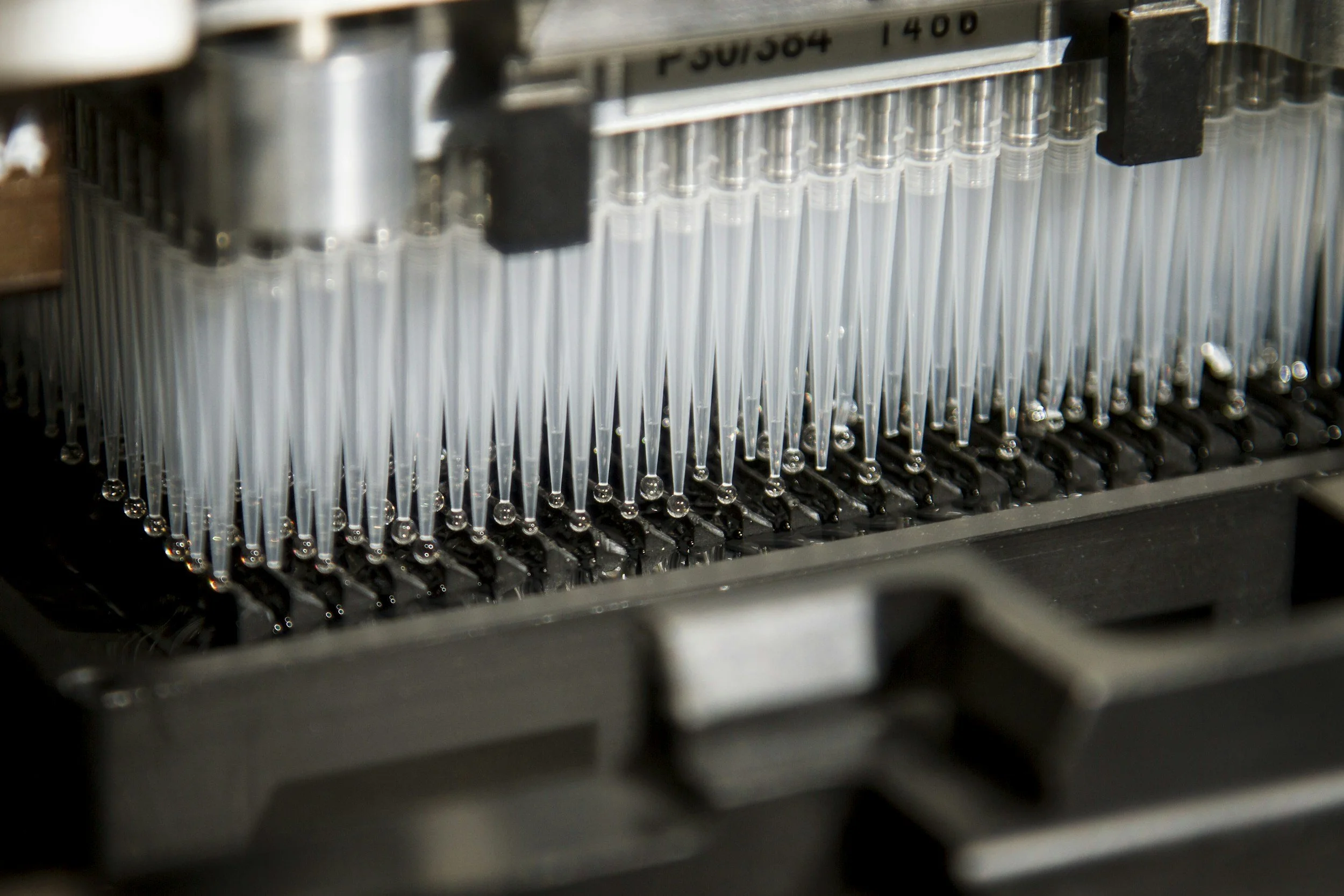
• Full biology view: Our technology isolate EV RNA (active cell signaling) and an optional co-isolation of cfDNA (cell death) from the same sample
• NGS readout: Sequencing replaces qPCR → vastly richer data with value compounding over time
• Cost inflection unlocked: Sequencing innovation now enables comprehensive molecular profiling at scale
• Automation-first platform: Standardized, scalable workflows vs. labor-intensive legacy methods
-
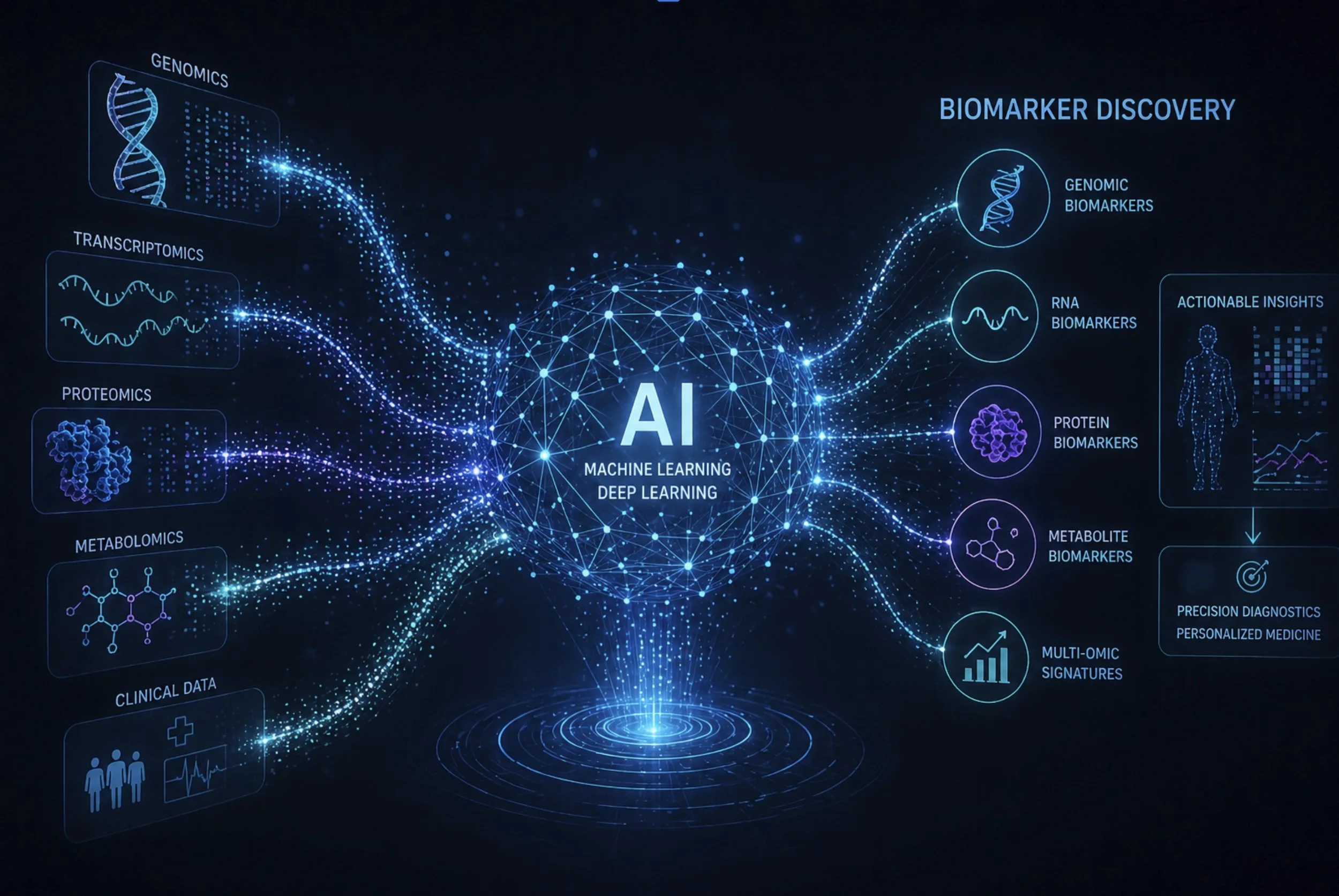
Why it Matters
• Earlier, more accurate detection → better clinical decisions
• Single platform, multiple indications → expand across diseases without reinventing workflows
• Scalable economics → lower cost per test over time
• Enables pharma partnerships → deeper biological insight for therapy development
Complementary Biology Drives Higher Liquid Biopsy Sensitivity
EV-RNA + cfDNA



Higher Detection Sensitivity
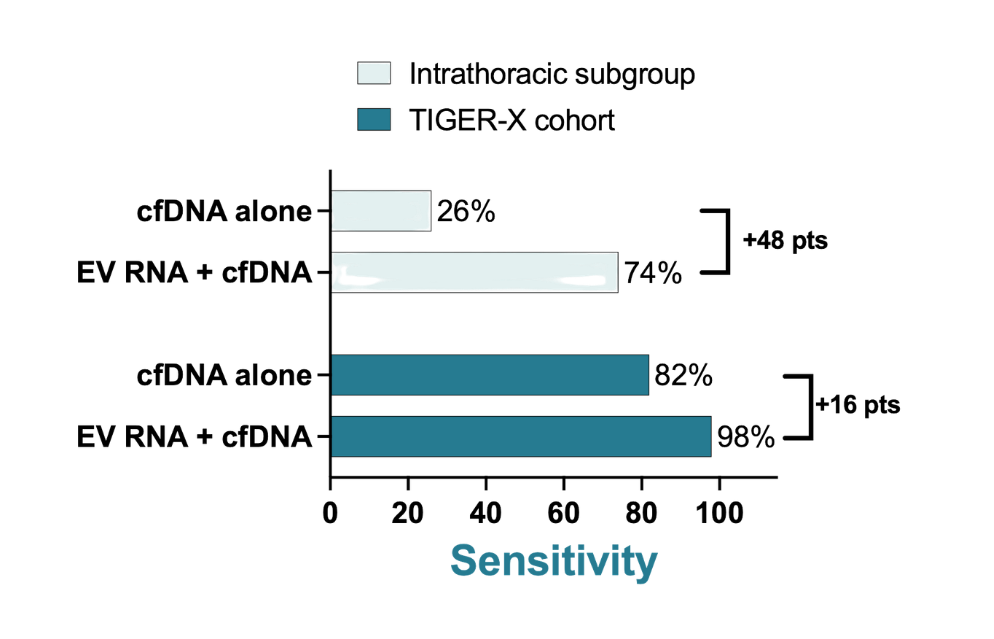
Detects more patients with confirmed EGFR mutations than cfDNA alone
More Signal
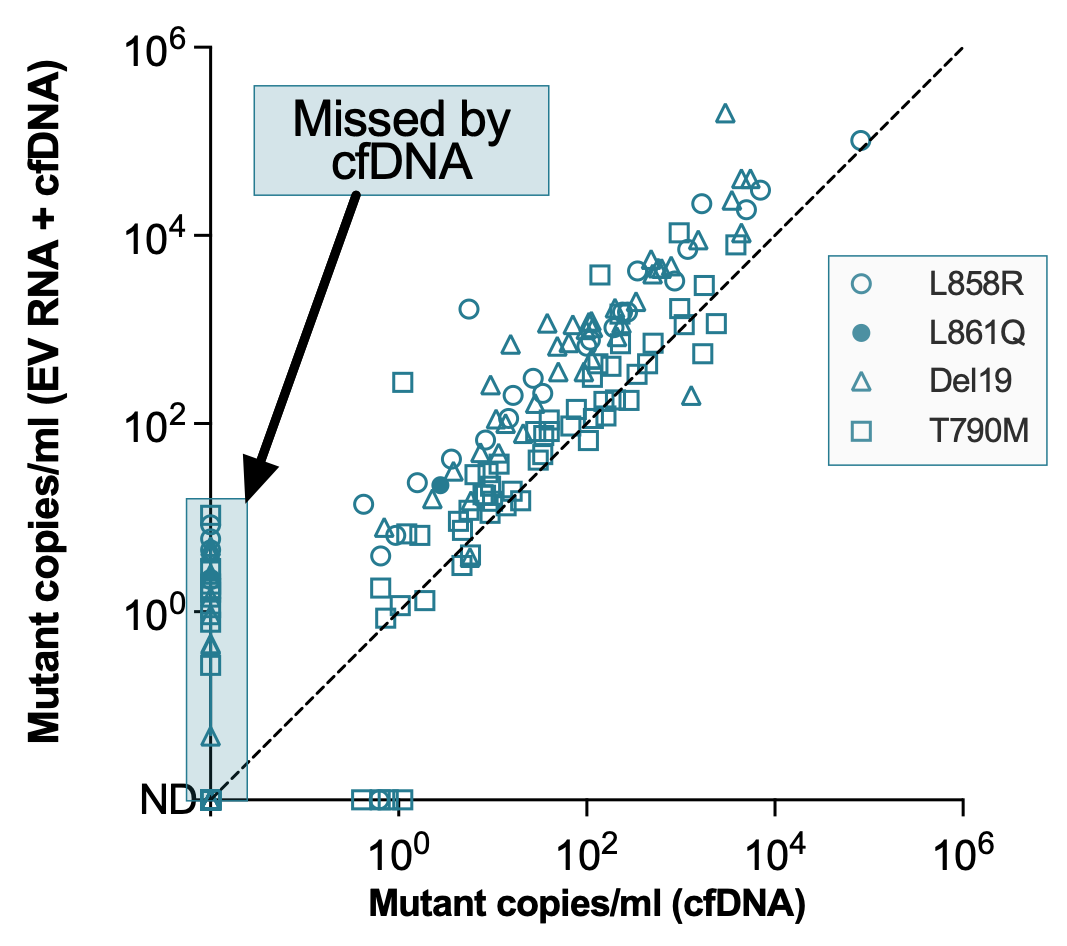
Up to 10-fold higher mutant copy numbers compared to cfDNA alone
Blinded Head-to-Head Comparison
Matched plasma samples were analyzed using either cfDNA alone or a combined EV-RNA + cfDNA approach
EV-RNA + cfDNA increases sensitivity
In a blinded head-to-head study, combining EV-RNA and cfDNA increased mutation detection sensitivity compared with cfDNA alone
Improved Clinical Sensitivity
Increased mutant copy numbers translate into improved clinical sensitivity, particularly in tumors that shed low levels of cfDNA, such as intrathoracic lung cancer
Exosome/EV-based
liquid biopsy
We are improving scalability, automation, and data mining capabilities essential for the next decade of precision diagnostics.
-
Exosomes or extracellular vesicles (EV) are naturally released into biofluids by all cells, including tumor and immune cells. Blood, urine, saliva, CSF etc.
-
EV-RNA: Extracellular Vesicle/Exosome RNA released by cells into biofluids.
cfDNA: Cell-free DNA, short fragments of DNA circulating freely in biofluids, released from dying/stressed cells.
-
These vesicles carry the RNA transcriptome, DNA, and proteins that reflect the molecular state of their cell of origin providing a snapshot of disease biology.
-
Unlike traditional biomarkers that measure a single protein or analyte, EV -based tests can capture comprehensive multi-omic information (RNA, protein, DNA) that enables detailed molecular characterization of the disease.
-
Enable transcriptome profiling from biofluids stored >25 years in biobanks. EVs offer higher stability and sensitivity than cell -free nucleic acids or serum proteins.
-
This approach reduce the need for invasive tissue biopsies, allowing for earlier detection, longitudinal monitoring, and dynamic assessment of treatment response or resistance.
-
In essence, EV liquid biopsies turn a simple blood, saliva or urine sample into a “virtual tissue biopsy,” enabling precision diagnostics at scale
EVolvDx Platform Enables Rapid Expansion Across Clinical Applications
-
One platform, multiple clinical applications
EVolvDx is designed to scale across multiple disease indications using a shared foundation of automation, sequencing, and data infrastructure. Each new clinical application leverages the same operational backbone — accelerating development, reducing cost, and continuously strengthening the platform. This creates a compounding model for precision diagnostics where biology, infrastructure, and data become more valuable with every assay deployed. For more information, contact us.